




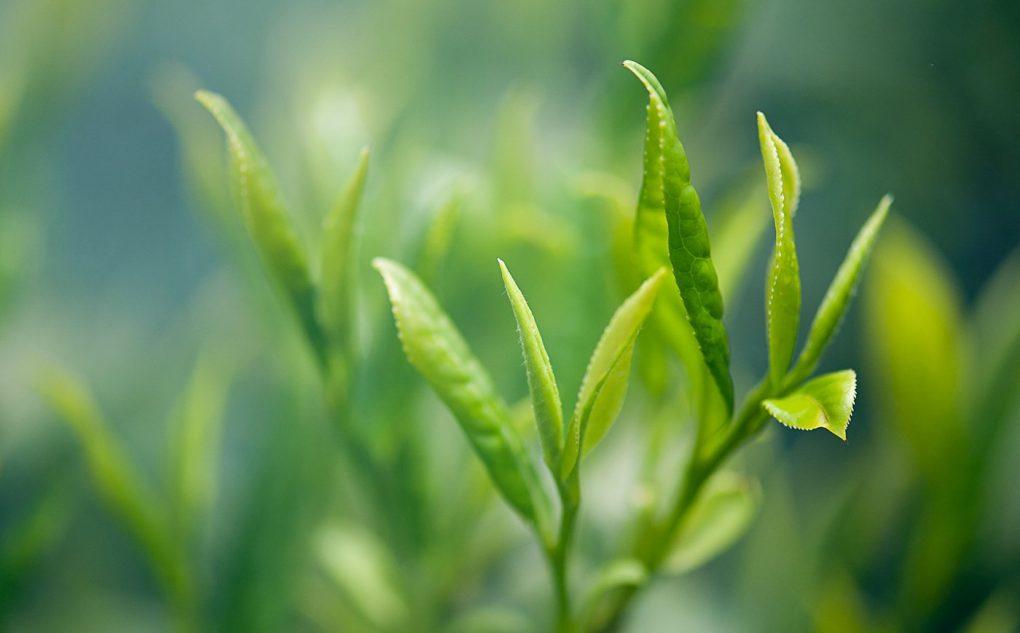
Testing natural Indian tea involves evaluating its appearance, aroma, taste, and overall quality. Here are three ways you can assess the characteristics of natural Indian tea:
Visual Inspection:
Leaf Appearance: Examine the dry tea leaves for their color, size, and uniformity. High-quality Indian teas often have whole or large leaf particles with consistent coloring. Avoid teas with excessive broken or dusty leaves.
Color: Brew the tea according to the recommended brewing instructions. Observe the color of the liquor. Black teas from India typically yield deep amber to reddish-brown colors. Green teas may range from pale green to light yellow.
Aroma Evaluation:
Dry Leaf Aroma: Gently smell the dry tea leaves before brewing. Natural Indian teas can have complex aromas, ranging from malty and brisk in black teas to grassy or vegetal in green teas. These aromas are indicative of the tea’s origin and processing.
Infused Leaf Aroma: After steeping, smell the wet leaves in the teapot or infuser. This can provide additional insights into the tea’s character and flavor profile.
Taste and Flavor Assessment:
Sip the Tea: Take a small sip of the brewed tea. Pay attention to the initial taste, as well as any evolving flavors.
Texture and Body: Assess the texture of the tea in your mouth. Is it smooth, astringent, or brisk? Astringency, in moderation, can be desirable in some black teas but might be undesirable in others.
Visual Inspection:
Leaf Appearance: Examine the dry tea leaves for their color, size, and uniformity. High-quality Indian teas often have whole or large leaf particles with consistent coloring. Avoid teas with excessive broken or dusty leaves.
Color: Brew the tea according to the recommended brewing instructions. Observe the color of the liquor. Black teas from India typically yield deep amber to reddish-brown colors. Green teas may range from pale green to light yellow.
Aroma Evaluation:
Dry Leaf Aroma: Gently smell the dry tea leaves before brewing. Natural Indian teas can have complex aromas, ranging from malty and brisk in black teas to grassy or vegetal in green teas. These aromas are indicative of the tea’s origin and processing.
Infused Leaf Aroma: After steeping, smell the wet leaves in the teapot or infuser. This can provide additional insights into the tea’s character and flavor profile.
Taste and Flavor Assessment:
Sip the Tea: Take a small sip of the brewed tea. Pay attention to the initial taste, as well as any evolving flavors.
Texture and Body: Assess the texture of the tea in your mouth. Is it smooth, astringent, or brisk? Astringency, in moderation, can be desirable in some black teas but might be undesirable in others.
Vivamus tristique ligula quis orci malesuada tincidunt. Praesent magna purus, pharetra eu eleifend non, euismod vitae leo. Interdum et malesuada fames ac ante ipsum primis in faucibus. Quisque sapien enim, feugiat et mi vel, fermentum placerat tortor.